Adaptations
Birdy, it's cold outside!
While some Birds fly south for the winter, others are highly adapted to navigating more frigid temperatures and choose to remain in colder regions.
At the midpoint of winter, the world is a little quieter, a little colder. Many Animals, like Bears, have descended into their dens for hibernation, while buzzing Insects have gone dormant for the season. Humans, too, feel the slowing and the softening. We stoke fires, cook warming foods, and observe the shadows of the changing light outside our windows.
While most creatures large and small are tucked away into the cradle of Mother Nature, there are some whose flight and foraging continues to bring their fast beating hearts to our yards and ecosytems. We're, of course, talking about Birds!
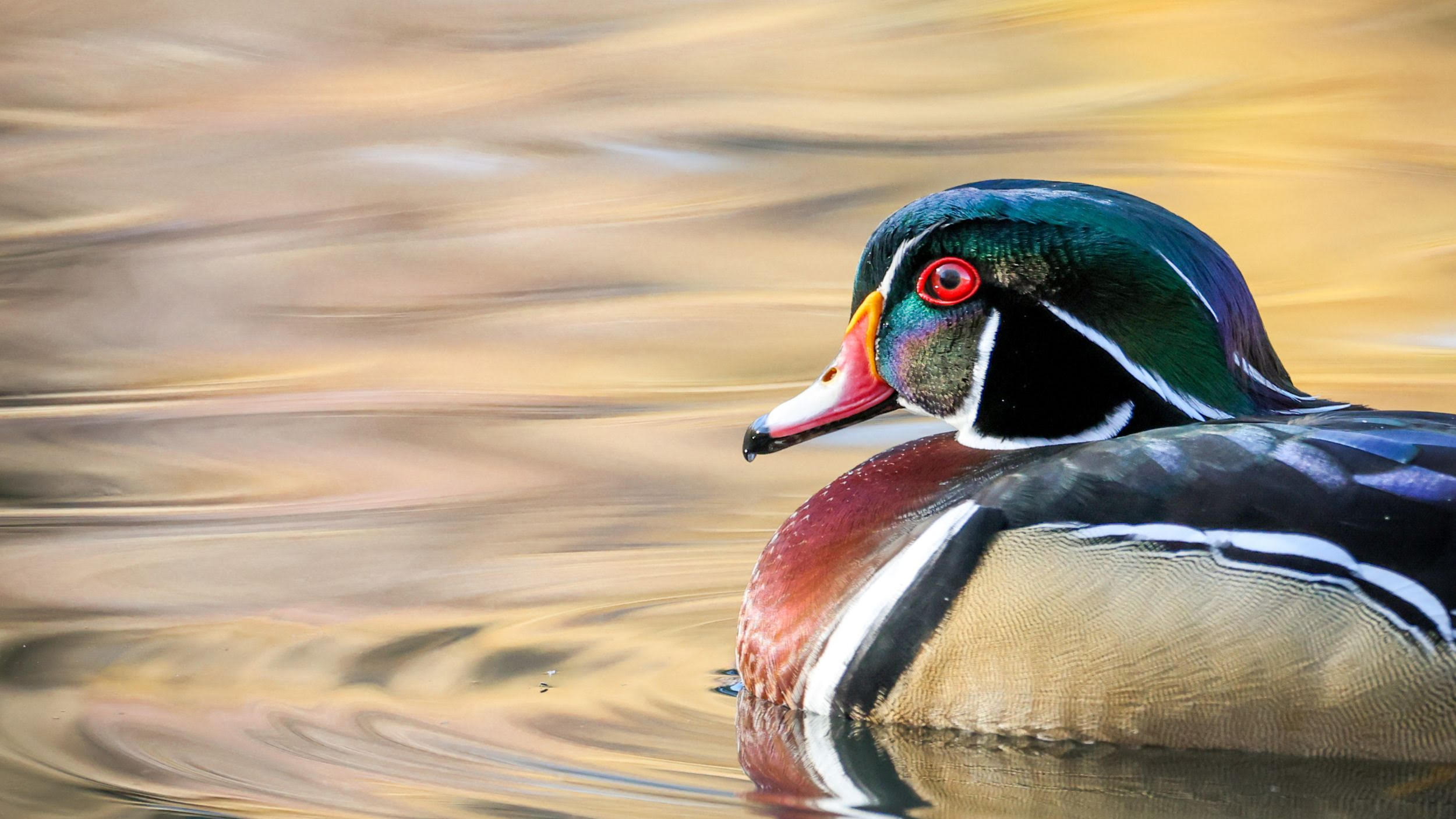
In the season where the colors of the landscape have dulled and trees have taken their cyclical, skeletal form, Birding can be a brightening balm. It’s an uplifting site to see a Snowy Owl, barely visible against glittering branches, or an Eagle flying across a vast sky, backed by the silhouette of craggy mountains. Round Chickadees, Blue Jays, dabbling Ducks and a myriad of urban Birds, too, bring joy to days blanketed with more darkness.
Over hundreds of thousands of years, Birds have evolved adaptations to navigate the rhythms of nature. Some, as we know, fly south. Flocks of Sandhill Cranes, Snow Geese, and many more species, ride the wind to overwinter in warmer climates. Others remain in colder places, resislient and adapted to the season.
Staying in wintry places entails a fair share of adversity. Like us, Birds must contend with frigidity and be able to regulate their body temperature. But while the healthy temperature for a human is 96.8 degrees, a thermometer will tell you that a Bird's internal body temperature should be closer to 105. In addition to this already challenging obstacle, food- an essential ingredient in regulating body temperature and vitality- is much more difficult to find for our avian friends.
So, how exactly do these feathered beings survive the harsh conditions of winter?
Insulation
While most cold-weather Birds will eat more in the fall in order to pack on weight, they also utilize their feathers to increase warmth. Birds not only have weather resistant feathers, but they have an additional, base layer of downy ones that help retain body heat. In the winter, they often fluff these feathers, trapping hundreds of air pockets and maximizing their already natural insulation.
Taking Cover
What do you do when the weather is storming, howling, and unpredictable? Most times, we will seek shelter, protecting ourselves by staying home or indoors. Birds, too, will find refuge and, often, together. During particularly cold and tempestuous weather movements, Birds will retreat to dense thickets, tree cavities, or between the other bodies of their flock, huddling together for warmth.
Tucked Away
Have you ever forgotten your gloves at home on a particularly biting day? Your belly is warm but your fingers feel as if they might as well just fall right off. Now imagine, instead, that you seem to have forgotten your pants, socks, AND shoes!
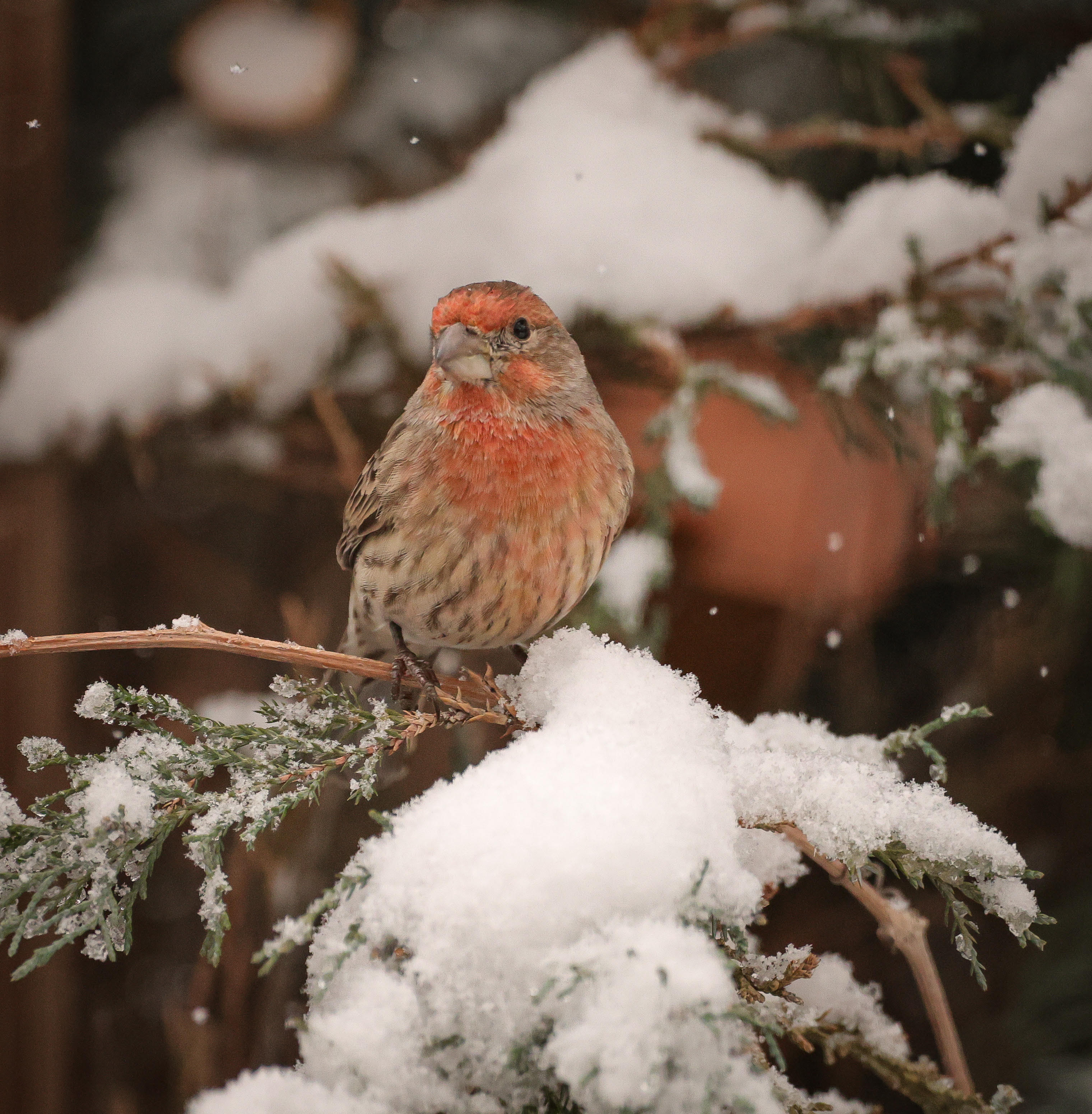
While Birds may have feathers to stay toasty, you may notice that their legs and feet are bare. To combat this, many Birds will tuck them away. Some, like Ducks and Geese, will pull one leg into their body at a time, while others, like Finches, will crouch down, resting their warm core on top of their featherless legs.
Cold Feet
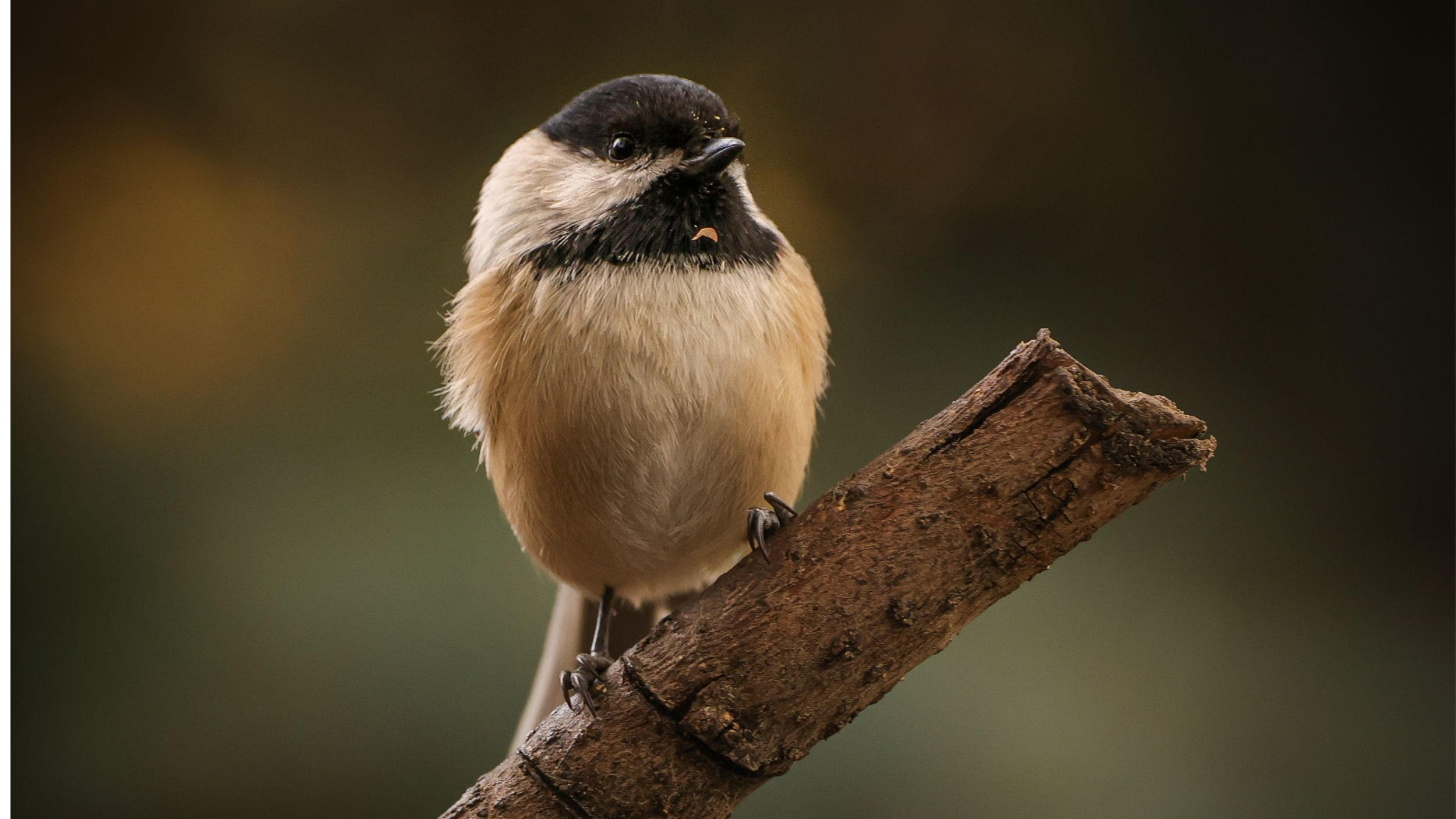
There are some Birds, like chickadees, who are able to compartmentalize their thermoregulation, maintaining a separate temperature for their body and feet. While they regulate their body at the aforementioned 105 degrees Fahrenheit, their lower extremities can be as low as 30. Reducing heat dispersal reduces energy spent, which requires less energy to be sourced. In a time where food is more sparse, this enables winter Birds to not overly expend energy.
Countercurrent Heat Exchange
In Bird legs, warm blood flowing down from the body runs right next to cold blood flowing back up from the feet. Because these vessels run side-by-side, heat transfers from the outgoing blood to the incoming blood before it ever reaches the toes. That means the blood reaching the feet is cooler—so less heat is lost to snow, ice, or water—while the blood returning to the body is already warmed up. It’s a beautifully efficient system that keeps birds warm at the core while they stand on winter’s edge.
Cache-ing In
As you meander down a trail, you walk by a tree and notice hundreds of holes dotted up and down its trunk. It's the granary of a Woodpeckers! Woodpeckers, and other Birds, will collect seeds and nuts, reserving them in these holes for days when food is hard to find. In fact, Chickadees can store up to 80,000 seeds AND remember where they all are.
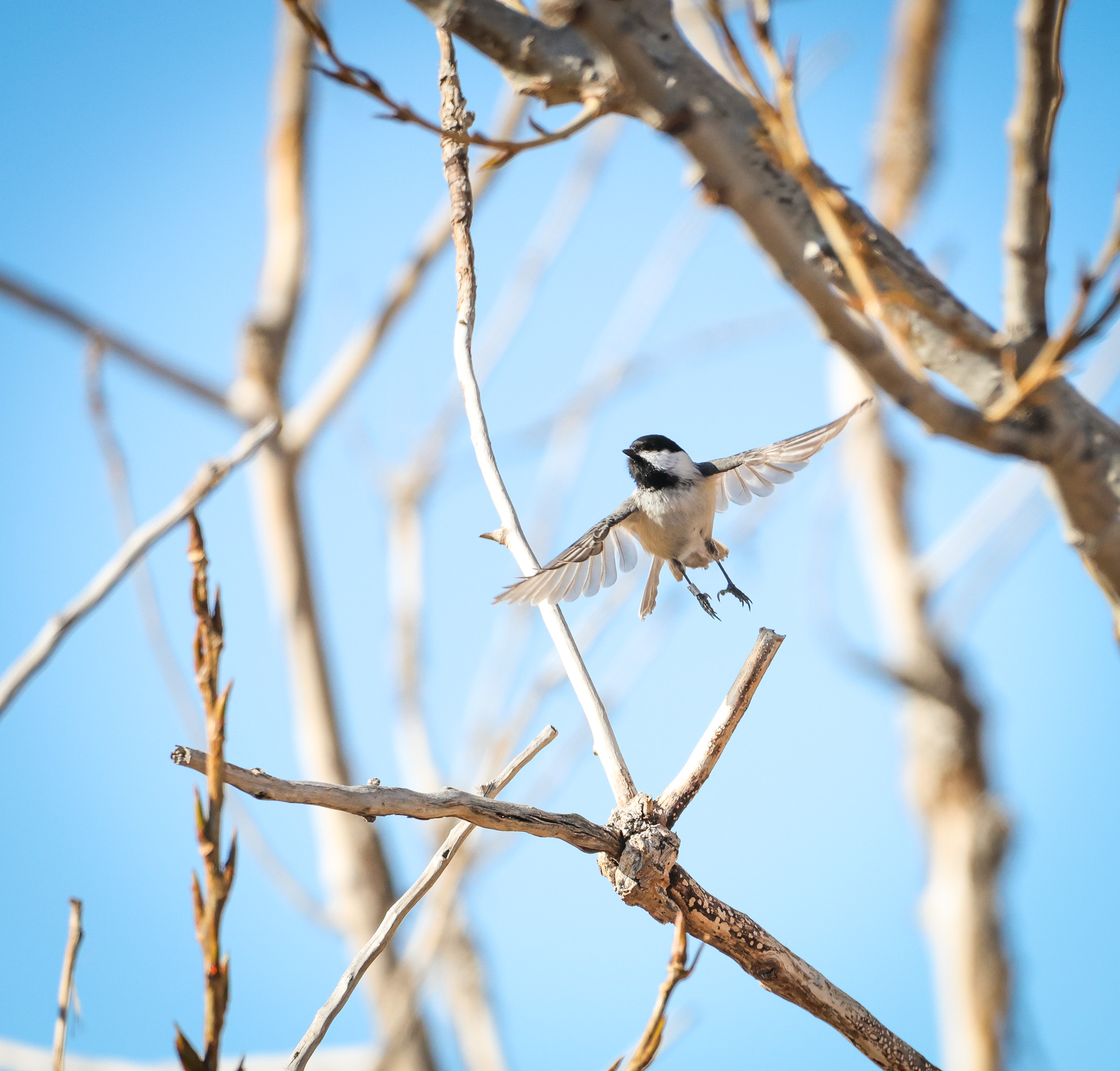
Winter is both beautiful and challenging. Challenging in a way that can connect us to the resiliency, marvel, and fluidity of nature. As we walk along rivers, observing Ducks ride the crisp ripples or watch a Crow’s morning commute parallel our own, we are welcomed into awe and into an opportunity to open our hearts to our wild kin. This observation is sacred and it can also be deepened by engaging in actions that support our feathered friends during a more trying season.
While there are many ways to be stewards of nourishment and wellbeing, one of the most accessible ways is to begin the practice of Bird feeding. Planting native plants is the ideal way to support Birds at all times of the year, for it helps restore habitat lost to human development and gives Birds the opportunity to feed on vegetation ripe with berries, fruits, and seeds, but we recognize that outdoor renovation is not always possible or accessible.
Whether you have a balcony, a porch, or yard, Bird feeding is especially beneficial during winter. It can help them to face their aforementioned, dualistic challenge- the need for more food in a time when it is less available.
Although getting started in bird feeding is a relatively easy and low cost, here are tips we recommend when beginning your journey:
- Not all seed blends are created equal. So, what do we look for? Red milo is often found in blends, but is actually a filler. The best seeds for birds, rather, are types such as millet, black oil sunflower, and safflower. When deciding which blend to buy, look at the percentages. You want high percentages of millet, black oil sunflower, and safflower, with small percentages of milo or cracked corn. If the ratio is reversed, it means that the product is mostly made with filler and has less nutritional value for birds.
- There are ways to ethically feed birds in order to maintain the health of the larger ecosystem of which they are a part. If you have Bears in your area, it is best to only plant native plants, and not use a birdfeeder. Bears are highly intelligent and if they find birdseed, they will return again and again. This, unfortunately, puts the bear’s life at risk since when seen around humans three times, they are considered a danger.
- If you do choose to use a feeder, make sure you hang them out of reach of mule deer, since they are not able to digest birdseed.
- Since feeders can increase the risk of disease, Cornell Lab of Ornithology recommends washing your feeder once every two weeks, as well as cleaning the uneaten seeds beneath.
- Placing multiple feeders at an array of heights and locations can encourage varying species, while decreasing the propensity for competition.
- If your yard is often visited by neighborhood cats, it is recommended that you forego using a bird feeder. Outdoor cats are one of the leading causes of bird deaths and the presence of the feeder can make them even more vulnerable and predictable prey for felines. Bonus points if you bring your cat indoors or install a catio for them!
- If you choose to use a feeder, place it within three feet of a window, for research shows that feeders within 10-15 feet are the most likely to influence window collisions.
There are many factors to consider when feeding Birds, including their safety and that of the greater ecosystem. We highly recommend that the act of Bird feeding be a mindful, conscious, and attentive practice that considers, first and foremost, the health of Birds and Nature. The pleasure of witnessing their vibrant beauty is the cherry on top!
We also recommend that you speak to local experts that can help inform you of the best way to bird feed according to your specific region and the season! Our friends at Front Range Birding & Optics have all the resources you might need- including, but not limited to, feeders, specifically tailored bird seed based on the season and the bird, as well as an array of wonderful insights. You can visit them at their shop in Littleton, their website at https://frontrangebirding.com/ or come find their products in their mini shop at the Denver Audubon Kingery Nature Center.
Happy Bird feeding!
The allure of off-the-beaten-path travel
Lorem ipsum dolor sit amet, consectetur adipiscing elit ut aliquam, purus sit amet luctus venenatis, lectus magna fringilla urna, porttitor rhoncus dolor purus non enim praesent elementum facilisis leo, vel fringilla est ullamcorper eget nulla facilisi etiam dignissim diam quis enim lobortis scelerisque fermentum dui faucibus in ornare quam viverra orci sagittis eu volutpat odio facilisis mauris sit amet massa vitae tortor.

Unveiling the charm of lesser-known Destinations
Orci sagittis eu volutpat odio facilisis mauris sit amet massa vitae tortor condimentum lacinia quis vel eros donec ac odio tempor orci dapibus ultrices in iaculis nunc sed augue lacus.
- Lorem ipsum dolor sit amet consectetur facilisi etiam dignissim diam quis enim
- Mauris aliquet faucibus iaculis dui vitae ullamco sit amet luctus
- Posuere enim mi pharetra neque proin dic rhoncus dolor purus non enim
- Dui faucibus in ornare posuere enim mi pharetra neque proin dicit
Finding solitude in hidden gem locations
Lorem ipsum dolor sit amet, consectetur adipiscing elit ut aliquam, purus sit amet luctus venenatis, lectus magna fringilla urna, porttitor rhoncus dolor purus non enim praesent elementum facilisis leo, vel fringilla est ullamcorper eget nulla facilisi etiam dignissim diam quis enim lobortis scelerisque fermentum dui faucibus in ornare quam viverra orci sagittis eu volutpat odio facilisis mauris sit amet massa vitae tortor condimentum lacinia quis vel eros donec ac odio tempor orci dapibus ultrices.
The thrill of discovering untouched natural beauty
Dolor sit amet, consectetur adipiscing elit ut aliquam, purus sit amet luctus venenatis, lectus magna fringilla urna, porttitor rhoncus dolor purus non enim praesent elementum facilisis leo, vel fringilla est ullamcorper eget nulla.
- Lorem ipsum dolor sit amet consectetur tempor orci dapibus ultrices
- Mauris aliquet faucibus iaculis dui vitae ullamco elementum facilisis
- Posuere enim mi pharetra neque proin dic fermentum dui faucibus in ornare
- Purus sit amet luctus posuere enim mi pharetra neque proin dic
“Ut enim ad minim veniam, quis nostrud exercitation ullamco laboris nisi ut aliquip ex ea commodo consequat uis aute irure dolor in reprehenderit in voluptate velit”
Exploring cultural marvels off the tourist radar
Donsectetur adipiscing elit ut aliquam, purus sit amet luctus venenatis, lectus magna fringilla urna, porttitor rhoncus dolor purus non enim praesent elementum facilisis leo, vel fringilla est ullamcorper eget nulla facilisi etiam dignissim diam quis enim lobortis scelerisque fermentum dui faucibus in ornare quam viverra orci sagittis eu volutpat odio facilisis mauris sit amet massa vitae tortor condimentum lacinia quis vel eros donec ac odio tempor orci dapibus ultrices in iaculis nunc sed.